
Rebuilding classrooms and confidence: a profile of Dr. Aisha Bello
A paediatrician turned education architect on why the best interventions are the quietest ones, and why she measures success by asking about the roof.
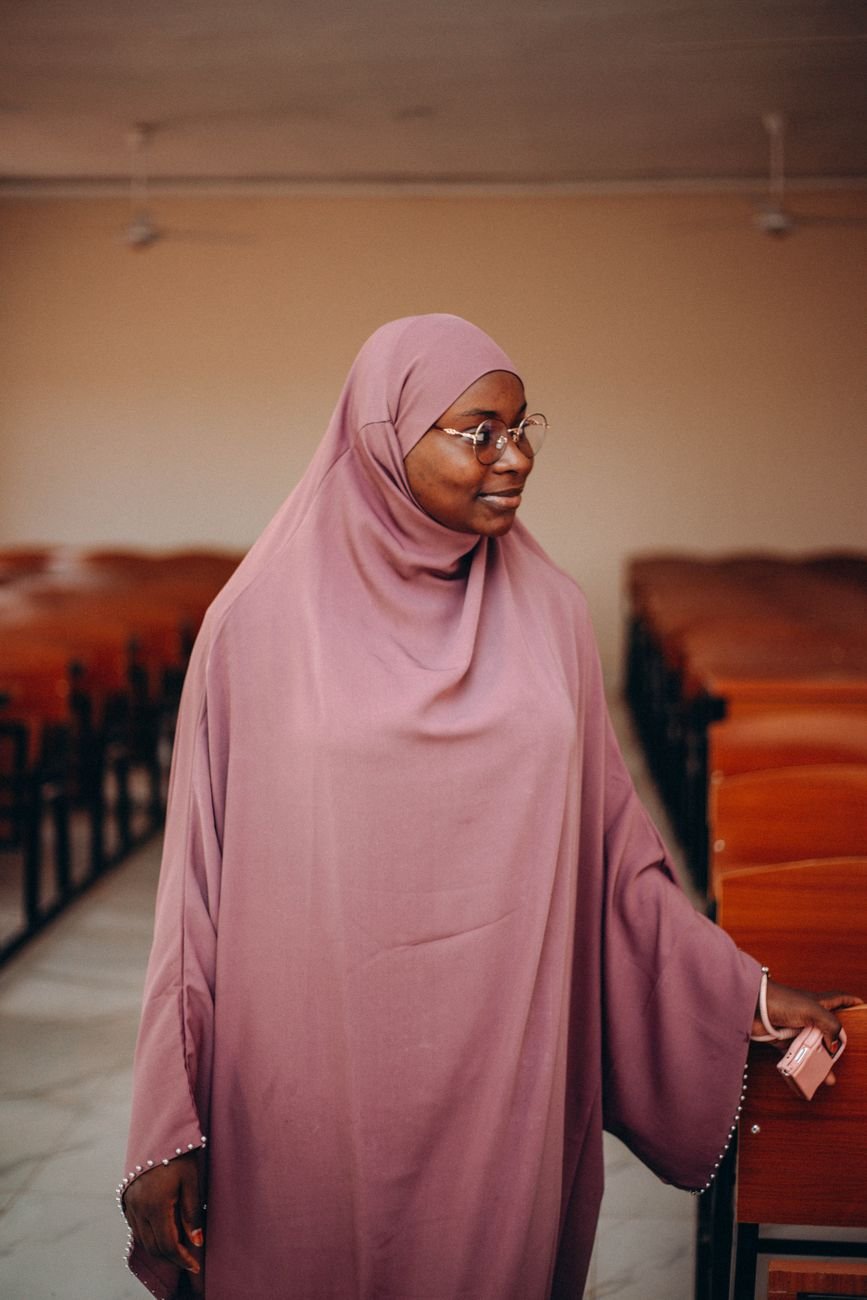
When Dr. Aisha Bello walks into a school she has helped rebuild, she does not lead with the numbers. She could. Since 2018, the education recovery program she runs for HAPEI in Borno State has restored fifty-one schools, trained eight hundred teachers, and put close to twelve thousand out-of-school children back into a classroom.
Instead, she asks the head teacher whether the roof leaks.
“Because the roof always leaks somewhere,” she says. “And that is the thing they will not want to tell you first, in case you think the whole project has failed.”
Aisha is a paediatrician by training who never intended to work in education. She grew up in Maiduguri, went to medical school in Zaria, and by the time she was thirty was running a paediatric ward at a regional hospital. What pulled her out of clinical work was, in her telling, boring. It was paperwork. She kept seeing the same children come through her ward with the same preventable conditions, and she kept asking their parents where they went to school, and the answer, more and more often, was that they did not.
The turning point
The turning point was a five-year-old girl called Fatima. Aisha treated her in 2016 for a chest infection that should have been trivial and turned out not to be, because Fatima had not been immunised, because her family had been displaced twice, because the school that used to run the mobile immunisation days had been burned down and never rebuilt.
Fatima recovered. But Aisha did not go back to the ward. She spent the next six months writing what she calls “a naive proposal” to the state government about rebuilding schools not as buildings but as service points. Two years later, that proposal became HAPEI’s first Northeast Education Recovery pilot.
What she has learned
“Everything I thought I knew about scale was wrong,” she tells me. “You do not scale by copying. You scale by giving the next community the tools to build their own version. Our best schools are the ones we intervened in the least.”
Her team of forty-two, most of them from the state, now works across three local government areas. The model is deliberately unglamorous. Community meetings before construction. Teacher training before textbooks. Feeding programs before enrolment drives. Nothing that would make an obvious poster.
Ask her what she is proudest of, and she will not name a project. She will name a person. A woman called Zara who lost her home in Bama in 2019 and now teaches thirty-four children in a rebuilt primary in the same town.
“She is why the work matters,” Aisha says. “You do not build schools. You give people back the room to teach.”
Edited by Ifeoma Anigbogu.
This piece connects to Northeast Education Recovery.
The Northeast Education Recovery program has restored fifty-one schools since 2018 and returned close to twelve thousand out-of-school children to a classroom across three local government areas.